
To help international students better understand China and gain insight into its socialist system with Chinese characteristics — while cultivating globally minded ambassadors of traditional Chinese medicine (TCM) who are both China-friendly and skilled in TCM culture — the International Education College of Shanghai University of Traditional Chinese Medicine organized an immersive visit on March 27.
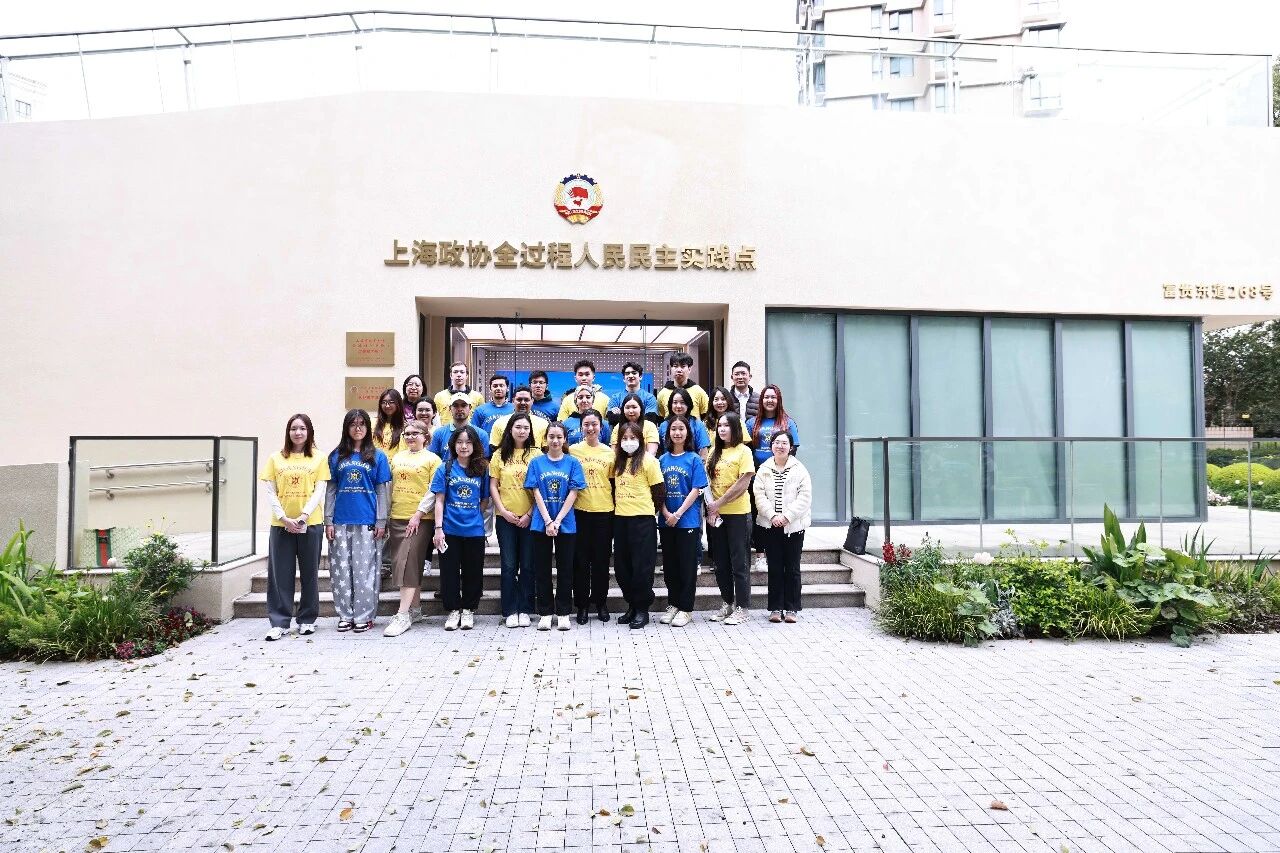
A group of 25 international students from 13 countries took part in an event hosted by the Shanghai Committee of the Chinese People's Political Consultative Conference (CPPCC) Science and Education Committee, the Shanghai Municipal Education and Health Commission, the Shanghai Municipal Education Commission, and the Pudong New Area CPPCC Committee. The visit brought them to the Whole-Process People’s Democracy Practice Site, where they experienced an eye-opening “democracy classroom.”
As the 10th international student group to visit the site, our students were immediately drawn into this vivid showcase of China’s democratic practices. The exhibition walked them through how the 14th Shanghai CPPCC has brought the concept of whole-process people’s democracy to life — from everyday issues like food, clothing, housing, and transportation, to cross-departmental public welfare projects, and a full-cycle approach that moves from research and consultation to implementation, feedback, and resolution. Every detail captured their attention. By the end of the tour, they had gained a much clearer, more tangible understanding of how deeply China’s democracy is rooted in serving the people. Many wrote down their reflections on the spot.
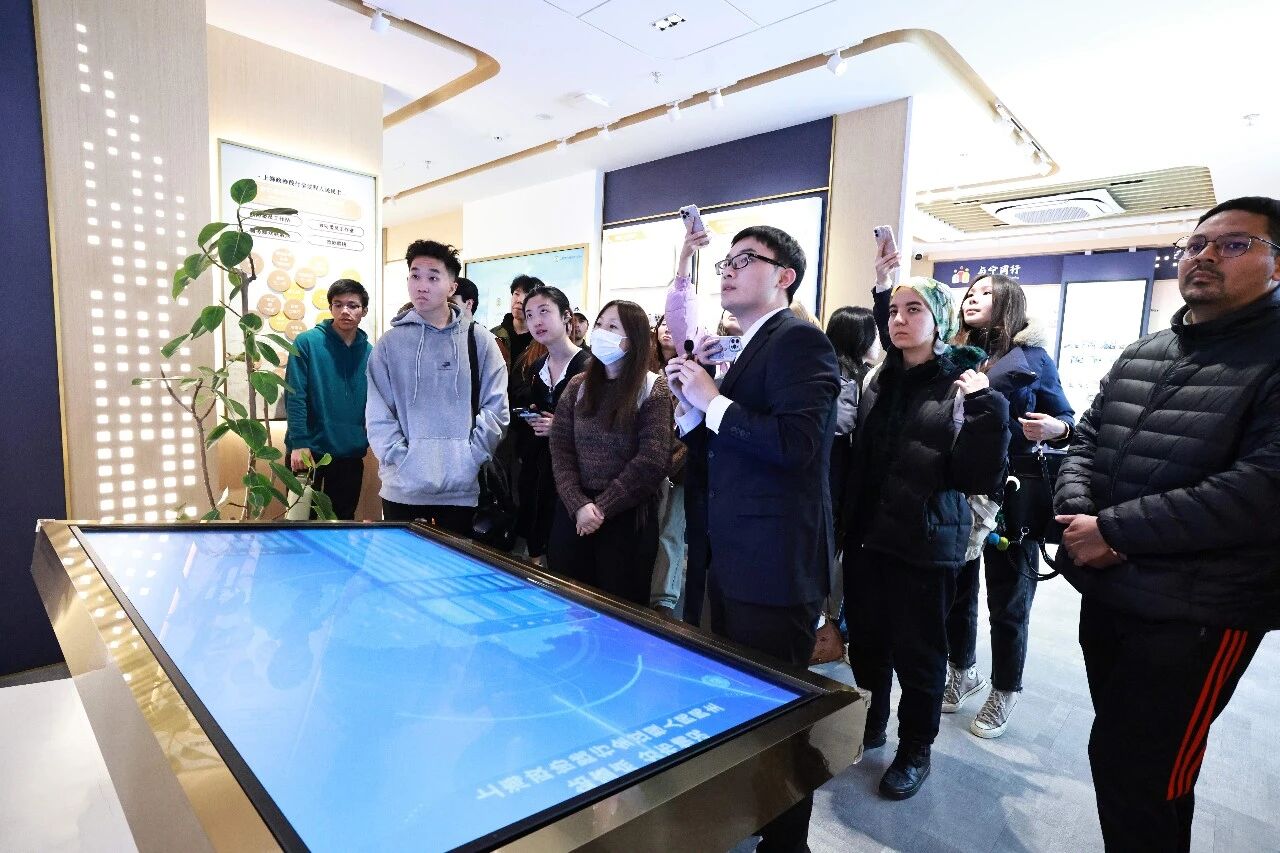
The group then visited the Pudong New Area CPPCC Members’ Consultation Activity Center, where they explored five key spaces: the Consultation Exhibition Hall, the Members’ Meeting Hall, the Public Consultation Hall, the Online Consultation Room, and a reading lounge. A video case study called “Red Scarf Happiness Observers” showed them how the Pudong CPPCC is introducing young people to consultative democracy through creative educational programs.
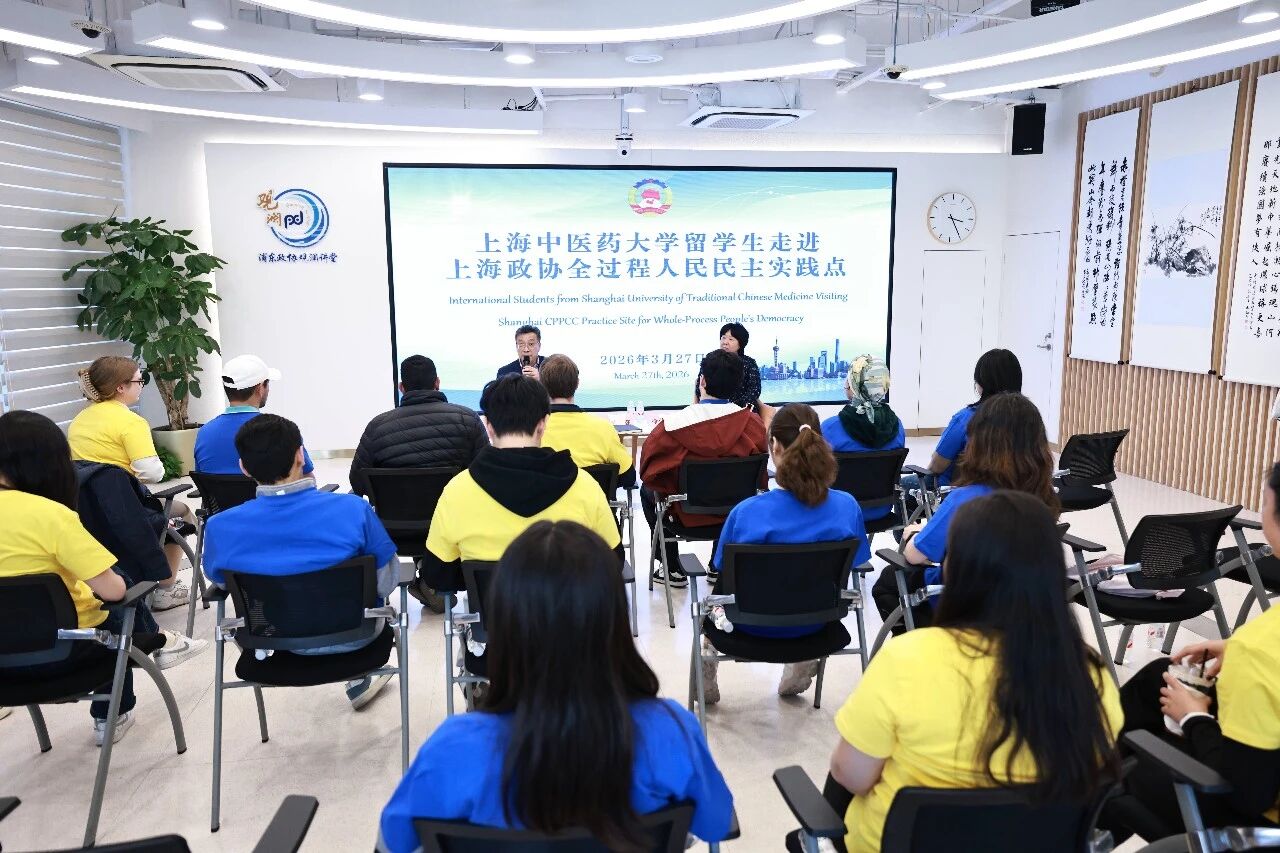
The real highlight came during the Q&A session. Students asked thoughtful questions — Can international students take part in democratic consultations? How can they voice concerns about their studies or daily lives? How do you actually reach a CPPCC member? The CPPCC members gave detailed, practical answers, making it clear that “members are right beside you.” Students learned they can share suggestions through official public opinion channels or join consultations at nearby member workstations and studios. For many, this was the moment China’s democracy started to feel genuinely accessible and real.
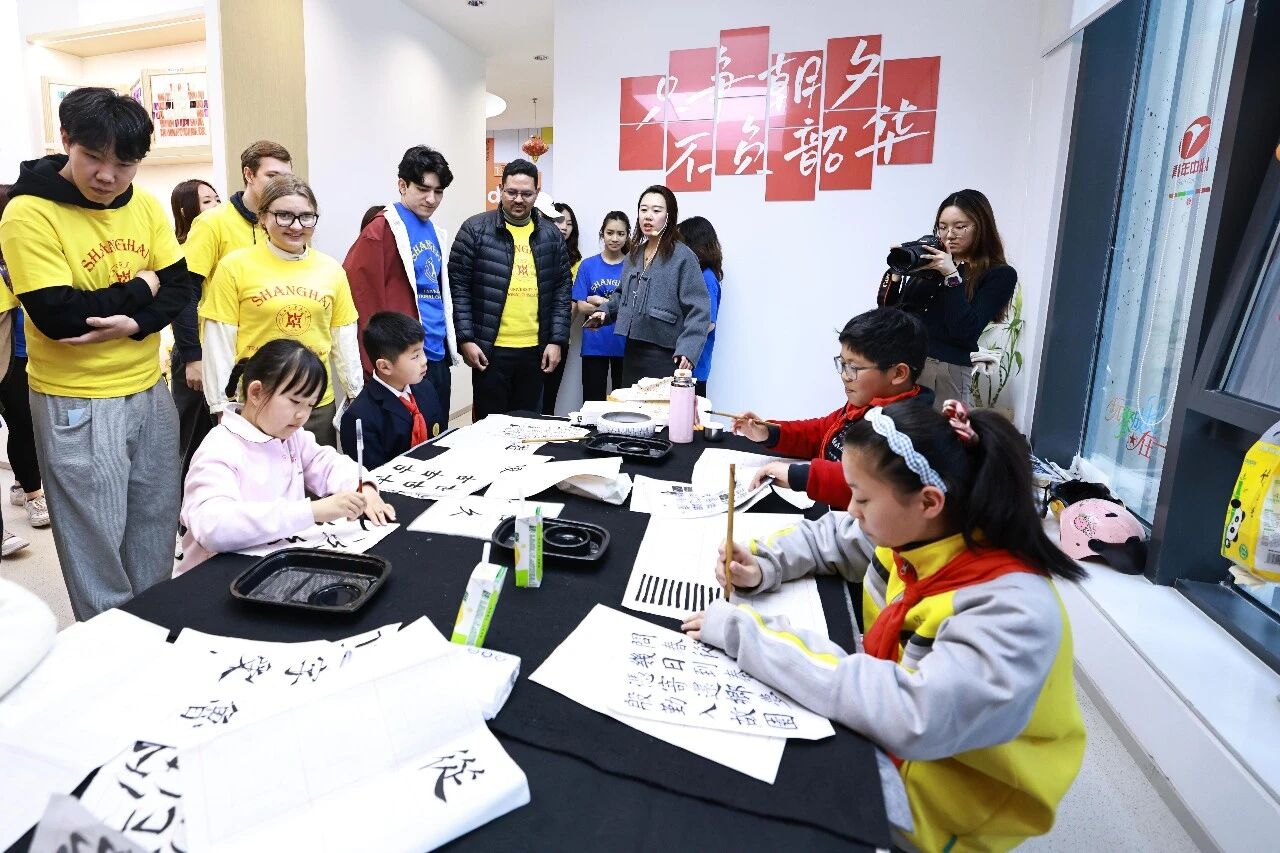
The last stop was the Nanmatou Road Subdistrict CPPCC Members’ Workstation, where students saw democracy in action at the most local level. They learned about grassroots mechanisms like “neighborhood consultations,” “serving the people,” and “two-way engagement” — how CPPCC members connect with residents, gather feedback, help solve community issues, and build consensus. Seeing this three-tier system in action — from the city level, down to the district, and all the way to the neighborhood — left a strong impression. Many said they finally understood what “full-chain, all-around, and full-coverage” democracy really means in practice.
As a key institution for international TCM education in China, the International Education College has always woven China’s national context into every stage of its students’ learning journey. This experience took them out of the classroom and into the community, allowing them to see China’s democratic practices and institutional strengths with their own eyes. It also helped them draw a quiet connection between TCM’s philosophy — “a benevolent heart heals the world” — and the people-centered spirit of China’s democracy.
Moving forward, the College plans to keep building hands-on opportunities like this one, helping international students better understand and connect with China. The goal is to guide them toward becoming not just skilled TCM practitioners, but also cultural ambassadors and grassroots bridges for China-people-to-people exchange — contributing to the global reach of TCM and mutual learning between cultures.